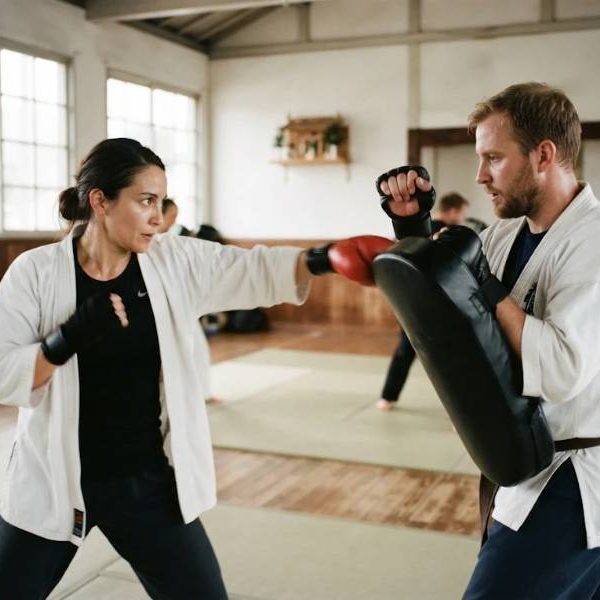
Progress in martial arts rarely comes from training harder alone. It comes from training smarter, resting well and building technique brick by brick. Whether you practice boxing, judo, taekwondo or mixed martial arts, these tips will help you improve while staying healthy.
Warm up properly every time
Five to ten minutes of light cardio, joint circles and dynamic stretches prepare the body for work. Cold muscles and sudden power are a common recipe for injury.
A good warm up is the cheapest insurance in any combat sport. Treat it as part of the session, not as an optional extra.
Master fundamentals first
Stance, balance, footwork and basic strikes form the base of everything else. Fancy techniques fail if the foundation is weak.
Repeat the simple movements slowly and with precision. Speed arrives naturally once the pattern is clean.
Choose a qualified coach
A good instructor corrects small errors, teaches safely and adapts to each student. Visit several schools before committing.
Ask about their experience and how they handle beginners. A respectful, patient atmosphere is a sign of a healthy gym.
Train consistently, not endlessly
Three to four focused sessions per week beat daily exhausted ones. Muscles and the nervous system adapt during rest.
Plan your week with hard days and easy days. A steady rhythm leads to long term development.
Learn from many traditions
Styles from Japan, Korea, Brazil and Thailand each contribute unique ideas. Studying several arts broadens your tactics.
Respect the traditions behind each art. Many dojangs and dojos observe customs of bowing and cleanliness that build discipline.
Sparring with control
Controlled sparring teaches timing and distance. Agree with your partner on the intensity beforehand and protect each other.
Wear mouthguards, gloves and shin pads when needed. Ego has no place in training rounds.
Recovery and nutrition
Sleep, hydration and protein help muscles rebuild. Carbohydrates fuel hard sessions, so do not cut them blindly.
Listen to pain signals. Sharp or persistent pain deserves a doctor, not a brave face.
Strength and conditioning
Core work, pulling exercises and mobility drills improve power and reduce injuries. Two short sessions a week are enough for most amateurs.
Include neck and shoulder exercises, especially for grappling arts. Strong supporting muscles protect the joints.
Mental training
Fear, doubt and impatience affect fighters at every level. Breathing exercises and visualization calm the mind before drills and competitions.
Set small goals such as landing a clean kick ten times in a row. Concrete targets keep you motivated.
Traditions across borders
Taekwondo grew in Korea and spread to every continent. Many instructional books, forum posts and federation documents originate in Korean and need careful handling when shared with international students.
Gyms preparing materials for students abroad often use Korean translation services to keep technical terms accurate.
Competing abroad
Travel to international events means rules, schedules and medical forms in other languages. Teams without a common language risk misunderstandings at weigh in.
Our guide on interpreter vs translator helps you choose the right support for tournaments and training camps.
Play fair and stay clean
Anti doping rules apply to amateur and professional athletes in many federations. Check any supplement before you take it.
The World Anti-Doping Agency publishes lists and educational resources that every athlete should know.
Keep a training journal
Write down what you practiced, how it felt and what your coach corrected. Patterns emerge quickly and help you plan.
Review the journal every month. It shows how far you have come, which is a strong motivator on tired days.
Enjoy the journey
Belts and medals matter, but the habit of showing up and respecting your partners matters more.
Martial arts offer fitness, calm and community for decades. Treat them as a lifelong practice and the results will follow.
Learn to fall and roll
Safe falling is one of the first skills in judo and other grappling arts. Practice on mats, tuck your chin and spread the impact across the body.
This single skill prevents many injuries in daily life as well. Beginners should repeat it until it becomes automatic.
Develop flexibility patiently
Stretch after training when muscles are warm, and hold each position for thirty seconds without bouncing. Increase range gradually over weeks.
Hip and hamstring mobility improve kicks and balance. Patience is essential, since forcing a stretch invites strain.
Respect your partners
Training partners are teammates, not opponents. Ask about injuries before drilling and stop immediately when someone taps.
A gym culture built on trust helps everyone learn faster. Fighters who look after others find their own training improves as well.
Set realistic goals
Choose a clear target such as a first belt, a first sparring round or a first local tournament. Break it into weekly steps.
Review the plan with your coach every month. Small adjustments keep you moving forward and prevent frustration.
Rest days are training days
Your body improves while resting, so schedule at least one full day off each week. Light walking or stretching keeps blood flowing without adding stress.
Athletes who ignore rest often plateau or get hurt. Respect recovery and you will return stronger.