
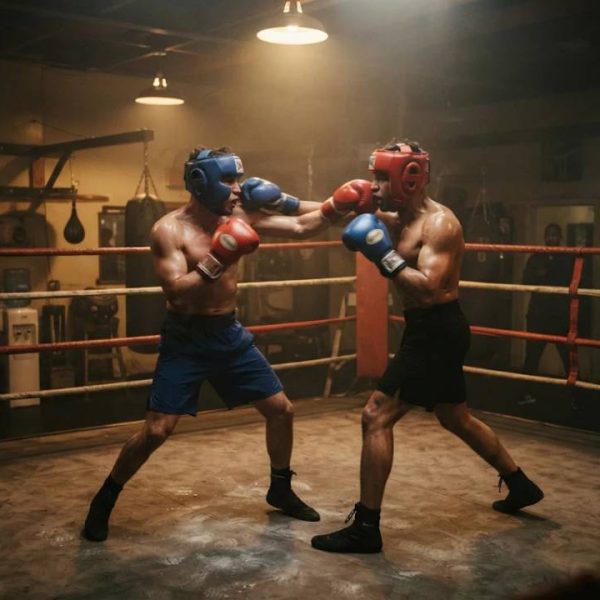
Combat sports have never been more popular. Pay-per-view cards break records, gyms fill with beginners and fighters from every continent share the same global stage. Yet many new fans still struggle to tell the difference between MMA, boxing and kickboxing. A quick guide to rules, styles and culture makes every event easier to enjoy.
Boxing: The Sweet Science
Boxing allows punches only, thrown above the belt with gloved fists. Fights last up to twelve rounds in championship bouts, and judges score each round on clean hitting, defense and ring control.
Footwork and timing matter as much as power, which is why technical fights can be fascinating even without knockouts.
MMA: A Complete Fighting Mix
Mixed martial arts combines striking, wrestling and grappling. Fighters punch, kick, knee, take opponents down and compete for submissions on the ground.
The best MMA athletes are not specialists in one art, they are problem solvers who adapt in every position.
Kickboxing and Muay Thai
Kickboxing adds kicks to punches, while Muay Thai also allows elbows, knees and clinch work. Thai culture surrounds the sport with music, rituals and respect for teachers.
Fans often find the pace faster and the exchanges more continuous than in boxing.
How Fights Are Scored
Most major organizations use a ten point must system. The winner of a round receives ten points and the other fighter nine or fewer, depending on dominance and damage.
Understanding this system helps you follow the commentary and see why a close decision is called.
Weight Classes Explained
Weight divisions keep competition fair by matching fighters of similar size. Names and limits vary by sport and organization, from flyweight to heavyweight.
Weigh-in day creates its own drama, since fighters must make weight safely before the bout.
Regulation and Safety
Athletic commissions license fighters, approve officials and check medical records. Ringside doctors can stop a fight if a competitor is hurt.
Bodies such as the Association of Boxing Commissions help set standards for health checks and fair officiating across jurisdictions.
Training Culture and Discipline
Fighters spend months in camps that combine technique, conditioning and strict nutrition. Sparring partners, coaches and cutmen form a team around each athlete.
Fans see a few minutes in the ring, but the story is written over many weeks of hard work.
Global Stars and Local Heroes
Brazil, Russia, Ireland, Japan and the United States all produce champions with devoted followings. Brazilian jiu-jitsu shaped modern grappling, and Dagestani wrestlers changed the sport on the mat.
Many top stories begin in small gyms far from major arenas.
Language and Media Coverage
Press conferences, interviews and walkouts happen in several languages, and fans want to follow everything. Broadcasters hire commentators and translators to bring the personalities to every market.
Sites that publish quotes from Brazilian stars often need accurate portuguese to english translation to keep humor and attitude intact.
From Interview to Article
Fight journalists record long interviews, then turn them into stories, clips and social posts. Accurate text versions make quotes searchable and quotable.
Our guide to interview transcription shows how media teams save time and avoid misquotes.
Understanding Fight Night Culture
Walkout songs, flags and chants create an atmosphere that is half sport and half festival. Respect between rivals usually returns after the final bell.
New fans quickly learn that many fighters are humble outside the cage.
Betting, Odds and Responsible Viewing
Many fans watch with friends and enjoy simple predictions. If you choose to place bets, set a budget, know the local law and treat it as entertainment, not income.
Understanding styles and matchups gives better insight than following hype.
How to Start Training
Visit a local gym, try a beginner class and ask about safety rules. Good coaches focus on fundamentals, controlled sparring and gradual progress.
Fitness gains arrive quickly, and many students never intend to fight at all.
Choosing Your First Style
Boxing builds footwork and conditioning, wrestling teaches control, jiu-jitsu offers technical problem solving and Muay Thai develops powerful striking. Try several classes before you commit.
Enjoyment matters more than choosing the most popular discipline.
What to Watch For in Your First Event
Look at distance management, how fighters defend, and how they respond after taking a strong shot. Commentators often highlight small details that decide close rounds.
Follow one fighter during the whole card to feel the story.
Following the Sport Year-Round
Subscribe to reliable news sources, follow gyms you admire and watch full replays of classic fights. Rankings change quickly, so check updates before big cards.
Join communities where fans share analysis respectfully.
Why the Sport Keeps Growing
Combat sports mix athleticism, courage and human drama. Fighters come from all backgrounds and prove that discipline can change a life.
With a little knowledge, any fan can appreciate both the power and the craft.
A Final Word for New Fans
Do not worry about knowing every rule on day one. Watch with an open mind, ask questions and learn from experienced fans and commentators.
The more fights you follow, the more you will notice the small details that make this sport special.